
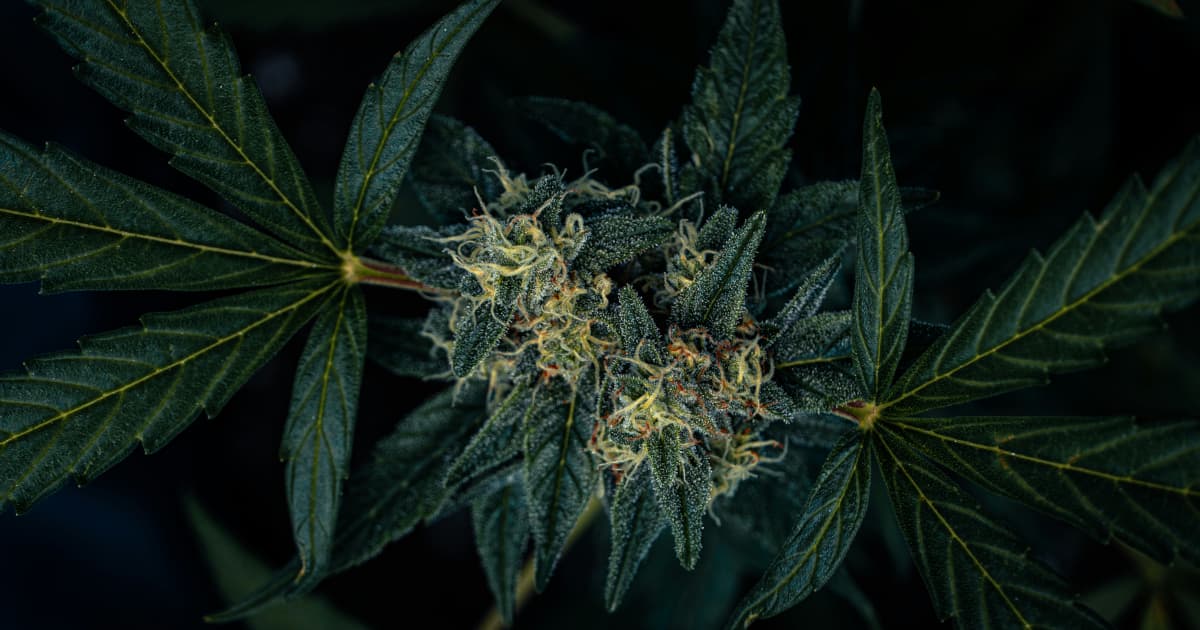
The United States Supreme Court has set a date to hear arguments in a closely watched case that could determine whether federal restrictions on gun ownership for people who use cannabis are constitutional. The marijuana industry, including entities like Curaleaf Holdings Inc., will be watching how the Supreme Court rules in this matter, as the outcome could have far-reaching consequences for both individual rights and business operations within the legal cannabis sector.
This case represents a significant legal challenge at the intersection of federal drug policy and Second Amendment rights. Currently, federal law prohibits anyone who is an unlawful user of or addicted to any controlled substance from possessing firearms or ammunition. This includes cannabis, which remains a Schedule I controlled substance at the federal level despite legalization in numerous states. The Supreme Court's decision could potentially invalidate this restriction as it applies to cannabis users in states where the substance is legal, creating a more consistent legal framework for residents of those states.
The implications for the cannabis industry are substantial. A ruling in favor of cannabis users could signal a broader shift in how federal agencies treat state-legal cannabis activities, potentially reducing conflicts between state and federal law. This could lead to increased stability for cannabis businesses operating in legal states and might encourage further investment in the sector. Companies like Curaleaf Holdings Inc., which operates in multiple states with legal cannabis markets, could benefit from clearer regulatory guidelines and reduced legal uncertainty for their customers and employees.
For individuals in states with legal cannabis, the case addresses fundamental questions about civil rights and equal protection under the law. Many legal cannabis users have argued that the current federal restriction creates a second-class citizenship for those who participate in state-legal activities, potentially infringing on their constitutional rights. The Supreme Court's ruling could establish important precedents regarding how constitutional protections apply to individuals engaged in state-sanctioned activities that remain illegal at the federal level.
The broader economic impact could be significant if the ruling leads to changes in how federal agencies enforce cannabis-related restrictions. This might affect everything from employment policies to financial services access for cannabis businesses and their customers. The cannabis industry has grown substantially in recent years, contributing billions to state economies and creating hundreds of thousands of jobs. A favorable ruling could further normalize cannabis use and business activities, potentially accelerating industry growth and integration into mainstream economic systems.
For more information about regulatory developments in the cannabis industry, visit https://www.CannabisNewsWire.com. Additional legal disclaimers and terms of use can be found at https://www.CannabisNewsWire.com/Disclaimer.