
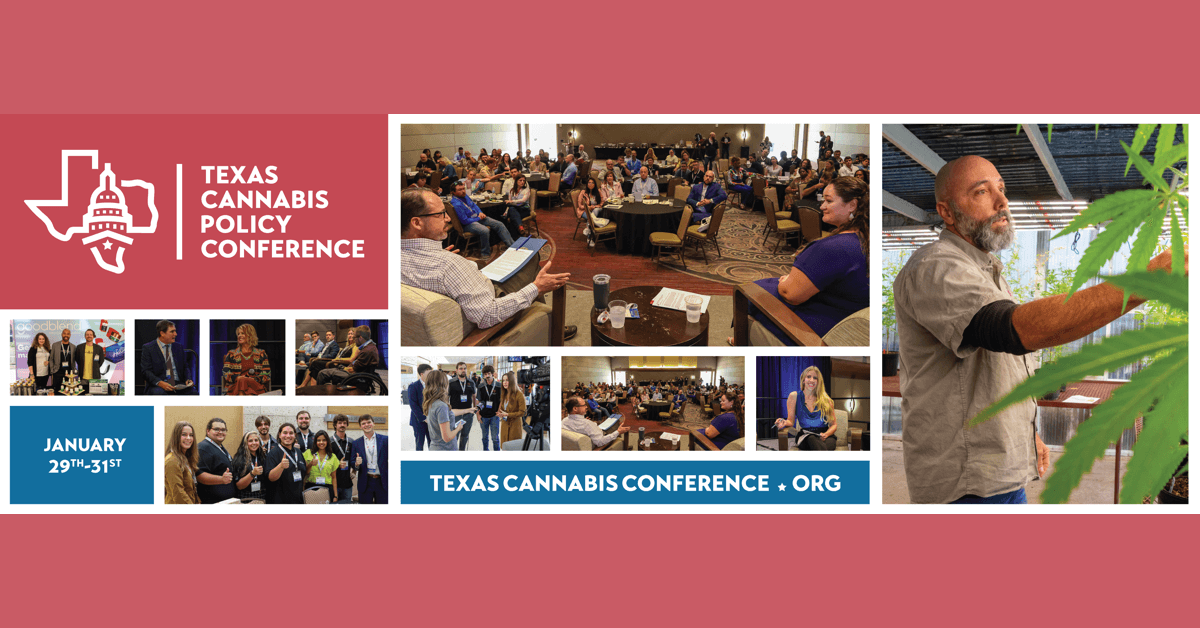
The Texas Cannabis Policy Conference will make its most consequential policy discussions available to the public via live stream on January 30-31, 2026, providing statewide and national access to conversations shaping public health, enforcement priorities, patient access, and market oversight. Designed as a serious, nonpartisan policy forum, the conference brings together lawmakers, regulators, scientists, attorneys, journalists, and public safety experts to examine the rapid evolution of medical cannabis and hemp regulation in Texas.
"Cannabis policy is changing quickly, and Texas is at an inflection point," said Heather Fazio, executive director of the Texas Cannabis Policy Center and primary organizer of the conference. "This conference creates space for lawmakers, regulators, and stakeholders to engage seriously with the policy decisions that will shape public health, enforcement, and the future of a safe and legal cannabis marketplace in Texas." Recent federal actions have reshaped the national cannabis landscape while introducing new uncertainty for the federally legal hemp industry, while Texas continues expanding its medical cannabis program and advancing complex regulatory reforms.
Live-streamed sessions will explore how federal policy intersects with state law, including Texas Department of State Health Services rulemaking, enforcement challenges, public safety considerations, and ongoing legal disputes. While proposed regulations aim to strengthen oversight, recalls, and enforcement, stakeholders continue to raise concerns about licensing costs, product restrictions, access, and the risk of driving consumers toward the illicit market. These tensions alongside questions of patient care, scientific standards, and regulatory parity will be addressed throughout the programming.
The conference features a bipartisan keynote conversation with State Representative Drew Darby (R) and State Senator Nathan Johnson (D) examining the 2025 legislative session, the evolution of SB 3, the governor's veto, subsequent rulemaking, and what may be possible for cannabis policy in Texas heading into 2027. Other sessions include "Safety and Risk: Synthetic, Converted, and Natural Cannabinoids" examining scientific distinctions between cannabinoid types, "Cannabis and Public Safety" discussing enforcement priorities and impaired driving data, and "Hemp Regulations, Restrictions, and Enforcement" providing an in-depth look at Texas' hemp regulatory framework.
Saturday sessions include "Local Officials on the Cost of Enforcing Prohibition" with local leaders discussing financial and operational costs, "TCUP Overview and Opportunities for Improvement" assessing the Texas Compassionate Use Program's growth and patient access issues, and "Reporting on Cannabis in Texas" featuring leading Texas journalists discussing media coverage of cannabis policy. The conference concludes with "Federal Policy: Legislative and Administrative Outlook" and "The Future of Cannabis in Texas: Coexisting Sectors Providing Safe and Legal Access for Consumers."
Livestream access is available to the general public through TexasCannabisConference.org/LiveStream, providing unprecedented access to policy discussions that will shape the economic future of cannabis and psychedelic businesses in Texas. The conference's focus on regulatory parity, scientific standards, and balanced approaches to market oversight comes at a critical time as businesses navigate evolving compliance requirements and seek to establish sustainable operations within the state's regulatory framework.