
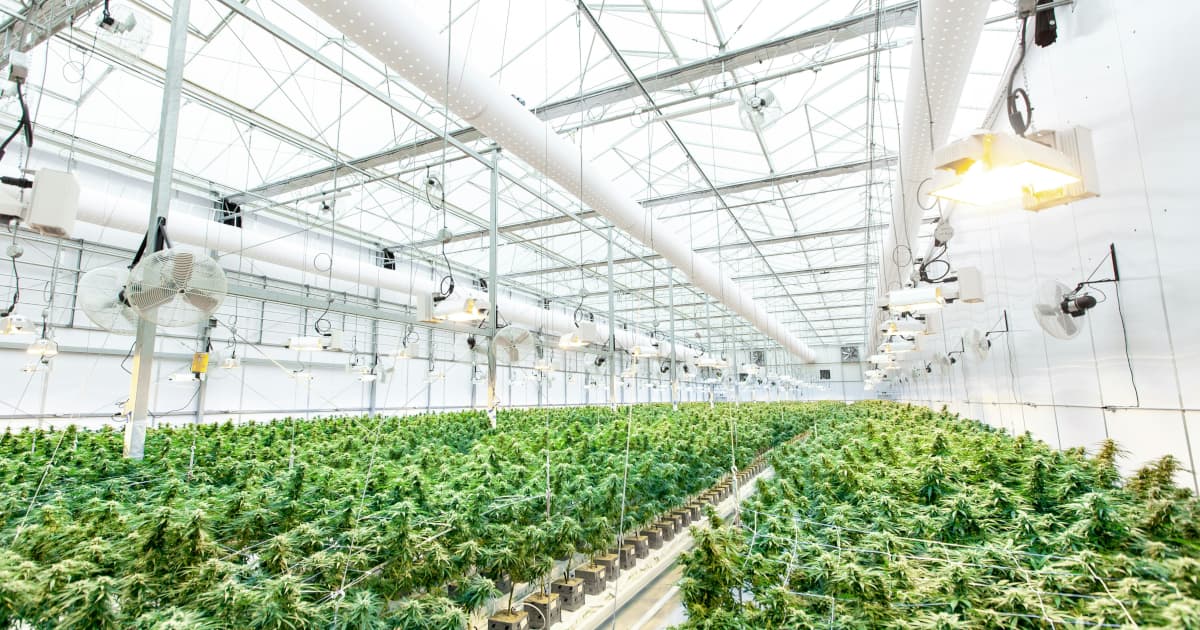
The U.S. Supreme Court is currently hearing a case that brings together two historically divergent political issues: firearm rights and marijuana policy. Both areas have significantly influenced American law and politics in recent decades, and their convergence in this legal proceeding has created unusual alliances and oppositions among various stakeholders. This development is poised to capture the attention of the entire marijuana industry, as the outcome may have substantial implications for businesses operating within this sector.
Companies such as Curaleaf Holdings Inc. (CSE: CURA) (OTCQX: CURLF) are likely to track the case closely, given its potential to affect regulatory frameworks and market dynamics. The intersection of these two contentious issues underscores the evolving legal landscape surrounding cannabis, which continues to navigate complex federal and state interactions. As the case progresses, industry participants are assessing how rulings might influence operational compliance, investment strategies, and broader public perception.
The case's relevance extends beyond immediate legal interpretations, touching on broader themes of states' rights, federal oversight, and civil liberties. For the cannabis industry, which has grown rapidly amid shifting regulations, any Supreme Court decision could signal future directions for policy enforcement and business adaptability. This legal scrutiny comes at a time when the industry is expanding, with increasing economic impact and societal integration, making judicial outcomes particularly consequential for long-term stability and growth.
Observers note that the case may also impact financial markets, as regulatory clarity or ambiguity often drives investor sentiment in the cannabis sector. The proceedings highlight the ongoing tension between progressive state-level cannabis reforms and enduring federal restrictions, a dynamic that shapes business planning and risk management. As the industry monitors the case, stakeholders are considering potential scenarios, from reinforced state autonomy to heightened federal intervention, each carrying distinct implications for market access and operational freedom.
This Supreme Court case represents a pivotal moment for the cannabis industry, reflecting its maturation and the complex legal challenges it faces. The outcome could influence not only specific businesses but also the broader trajectory of cannabis legalization and its intersection with other constitutional rights. For more details on terms and disclaimers related to industry coverage, refer to https://www.CannabisNewsWire.com/Disclaimer.